
What Are Exosomes and Why Are They Changing Hair Restoration?
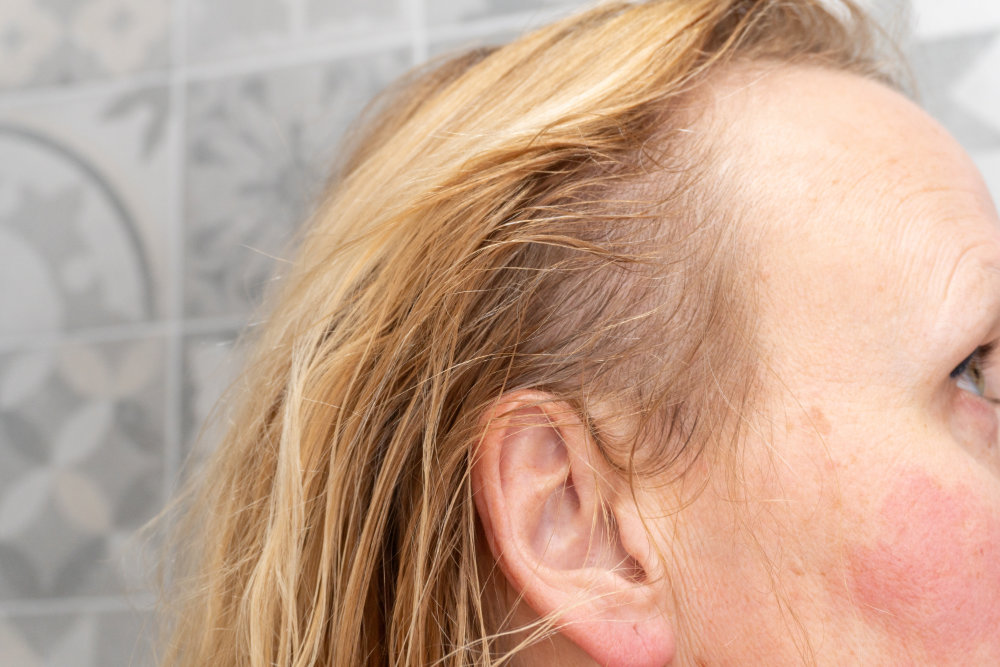
Hair loss can feel frustrating, especially when it seems like your options are limited to slowing it down rather than improving it. Many traditional treatments focus on maintaining what you have, but newer advancements are starting to shift that approach.
Exosome therapy is one such advancement.
Instead of slowing gradual hair loss by reducing the effects of DHT on the hair follicle, exosomes work to restore hair follicle proliferation and initiate their repair and renewal. Exosomes support the health of the entire scalp environment to ensure hair follicles thrive and grow.
At Rooted by Ridenour, exosome therapy is part of a broader, science-based approach to hair restoration that focuses on long-term scalp health and natural-looking results.
What Are Exosomes?
Exosomes are tiny vesicles that are naturally occurring inside our cells. They are released when our cells need to communicate with one another by delivering signals. The exosomes used in regenerative medicine treatments like hair restoration come from mesenchymal stem cells. These exosomes drive the repair and renewal process in our bodies. They contain growth factors, proteins and molecules that instruct our DNA to repair, regenerate and restore function.
In hair restoration, these signals play an important role in how follicles behave.
Exosomes help support healthy hair follicles in several ways. They stimulate the proliferation of stem cells in the hair follicle, supervise the development of mature hair follicles, augment blood flow to the follicle and maximize mitochondrial health. Exosomes optimize the overall environment in which hair grows.
What Are the Benefits of Exosome Hair Restoration?
Patients often choose exosome therapy because it is safe, effective and easily combined with medications and effective treatments.
- Stem cell repair and proliferation
- Healthier scalp and improved circulation
- Reduced scalp inflammation
- New hair growth and stronger, thicker-looking hair
Similar to PRP, the treatment works gradually, and results look very natural and build over several months rather than appearing all at once. However, exosomes do not require a blood draw. Exosomes are derived from the stem cells found in umbilical cord blood or tissue. They are always young and powerful. We prefer to use exosomes over PRP when patients reach a critical age.
Why Exosomes Are Getting So Much Attention for Hair Loss
Hair loss is rarely caused by just one factor. It is a slow process caused by hormonal imbalance, oxidative stress, impaired circulation, nutritional factors, UV damage, genetic predisposition, immune dysfunction and inflammation. All these factors can affect how your hair grows (or doesn’t grow) over a lifetime. Because of this, treatments that target only one aspect of the problem may not always deliver the results patients hope for.
Exosomes offer the opportunity to restore follicles that have already been damaged as a way to aid in hair growth beyond what topical preventative medications such as minoxidil, finasteride and dutasteride can offer. By restoring the health of the scalp itself, they help restore tired and senescent tissues that are no longer functioning at an effective level. The goal is not just to slow hair loss. It is to restore stronger, healthier growth moving forward.
How Do Exosomes Compare to Other Hair Loss Treatments?
Exosomes have the same magical renewal properties as our stem cells. They offer similar benefits to PRP but do not require a blood draw. They are tiny vesicles that are easily infused into the scalp. Most often, exosomes are used as part of a larger treatment plan rather than a standalone solution. They can be combined with Copper Peptides, Klotho protein, Arginine and topical medications such as minoxidil. They are designed to support the scalp environment and allow follicles to function better. By reducing inflammation and promoting repair, they can enhance the results of conventional treatments and support a more balanced, long-term approach to hair restoration.
Hair Loss Medications
Medications like minoxidil and finasteride are commonly used to slow hair loss and help preserve existing hair. They work by increasing circulation, extending the growth phase of the hair cycle and reducing the hormonal factors that contribute to a gradual decline in hair. While effective for maintenance, they do not stimulate stem cell proliferation, repair dysfunctional cells or repair the supporting environment around the hair follicles.
PRP Therapy
PRP therapy uses the restorative properties of blood-derived growth factors to stimulate follicle activity. This helps increase stem cell proliferation and drives hair growth and thickness. Positive results of PRP have been documented in multiple clinical studies. However, results can be inconsistent because of variations in PRP preparation and injection techniques. PRP has the disadvantage of becoming less effective as our platelets age.
Hair Transplants
Hair transplants are needed when hair loss has been longstanding and the follicles are no longer capable of recovery. Healthy follicles are taken from unaffected donor scalp and transplanted in areas of baldness. It is important to recognize and treat hair loss early on, to avoid the need for transplant. Exosomes and PRP are often used around the time of transplant to increase graft survival and restore a healthy environment for the new hair to flourish. This can create noticeable density in targeted areas, but it does not address the underlying environment where hair grows, making exosomes an excellent complementary treatment.
The Exosome Therapy Process
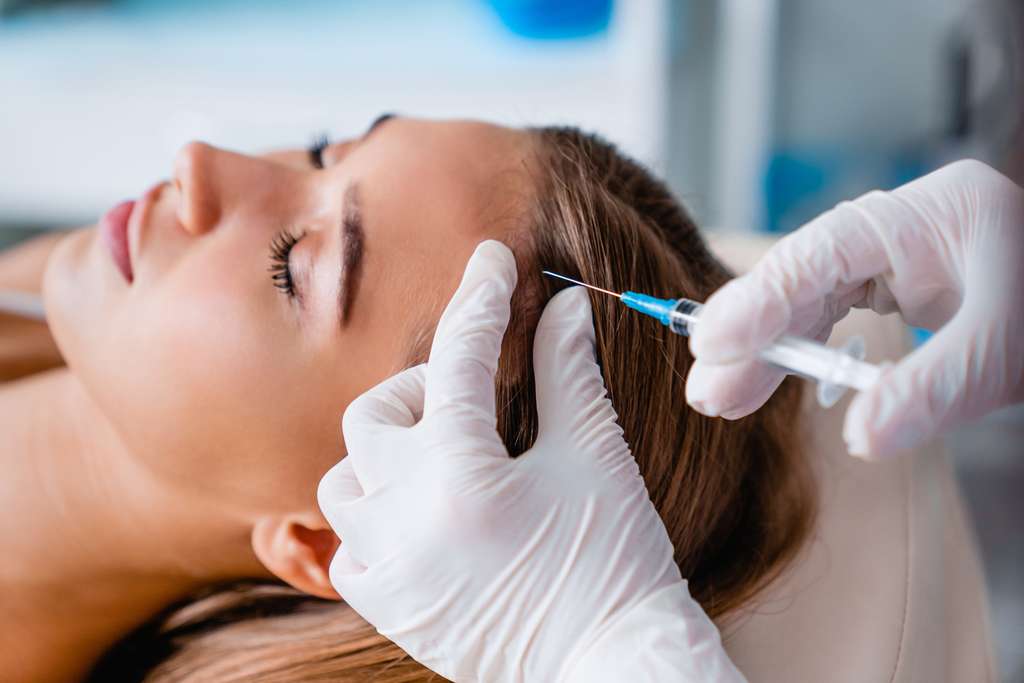
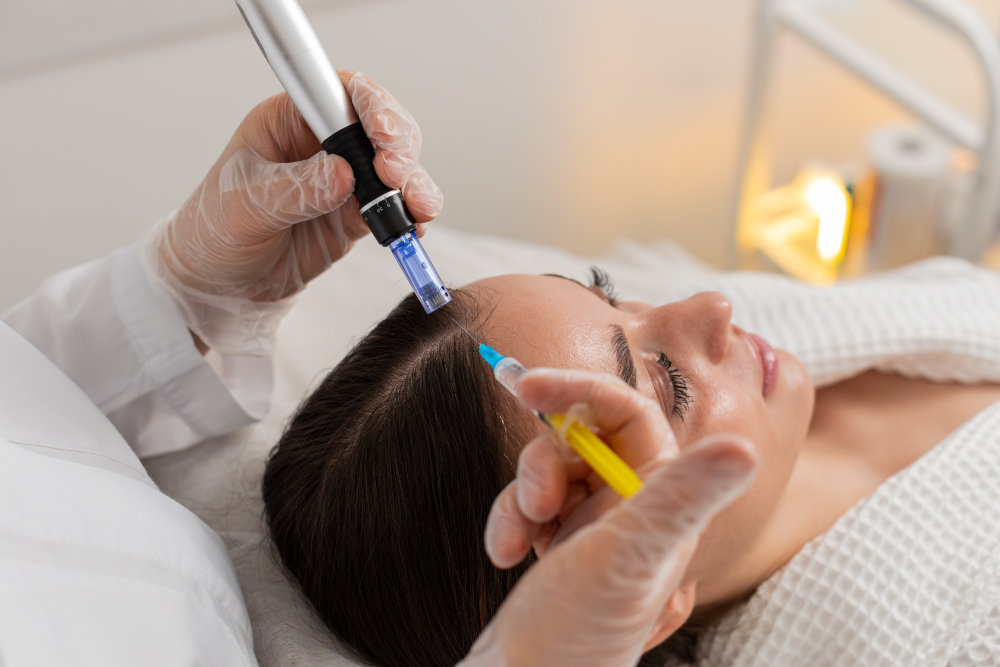
At Rooted by Ridenour, exosome therapy is commonly paired with a handheld, needle-free, Class 1 medical device that uses sonic vibration and mechanical exfoliation to temporarily disrupt the Stratum Corneum, enhancing absorption into the scalp. It is pain-free, with no downtime, and allows the exosomes to reach deeper layers of the scalp. The exosome solution is often applied in combination with regenerative peptides that support hair growth. From there, these signaling molecules begin interacting with surrounding cells, encouraging repair and promoting follicle activity over time.
Who Is a Good Candidate for Exosome Therapy?
Exosome therapy tends to work best when hair follicles are still active but not functioning at their full potential. You may be a good candidate if you are noticing:
- Increased hair loss in your comb, brush or shower
- Visible thinning anywhere in the scalp
- A widening part
- Less robust ponytail
- Hairline recession
The sooner you treat, the more likely you are to recover lost hair.
What to Expect After Exosome Hair Treatment
Hair restoration takes time, and exosome therapy is no exception. In the first few days, molecular signaling begins, the scalp begins to recover and inflammation decreases.
Over the next few months, patients usually notice less shedding and improvements in hair texture. Between three and six months, new hair growth becomes more noticeable, and hair may appear healthier and fuller. Results continue to improve for six months to a year. Best results are achieved with a series of two to three treatments in combination with medical therapy and annual f/u examination for possible retreatment.
Supporting Your Results at Home
In addition to in-office treatments, Rooted by Ridenour offers topical and oral medical therapy driven by genetic testing. We also offer Plated Skin Science Hair Serum. This exosome-rich formula is designed to support scalp health between treatments and help maintain your results over time. By delivering targeted growth signals directly to the scalp, it helps reinforce the same regenerative processes stimulated during your in-office sessions.
Consistent use can help keep inflammation under control, support ongoing follicle activity and create a more stable environment for hair growth. This is especially important in the weeks and months between treatments, when maintaining progress can influence your overall outcome.
Using a targeted at-home product does not replace professional care, but it can extend and strengthen your results, making your treatment plan more effective over the long term.
The Value of a Professional Consultation
Hair loss is not one-size-fits-all, and neither is treatment. At Rooted by Ridenour, every patient begins with a consultation to evaluate the cause of hair thinning and determine the most effective approach. This allows for a personalized plan that may include exosomes along with other therapies to support the best possible outcome.
Take Control of Hair Thinning Before It Progresses
If you have started to notice changes in your hair, you do not have to wait for it to get worse before exploring your options. At Rooted by Ridenour, exosome therapy offers a more advanced approach to supporting hair growth by targeting scalp health.
With the right plan and early treatment, many patients can improve their hair density and overall hair quality. To learn more or schedule a consultation, contact us online or at (314) 501-7946.
Further Reading




Contact us
