
How Nanofat Stimulates Natural Hair Regrowth

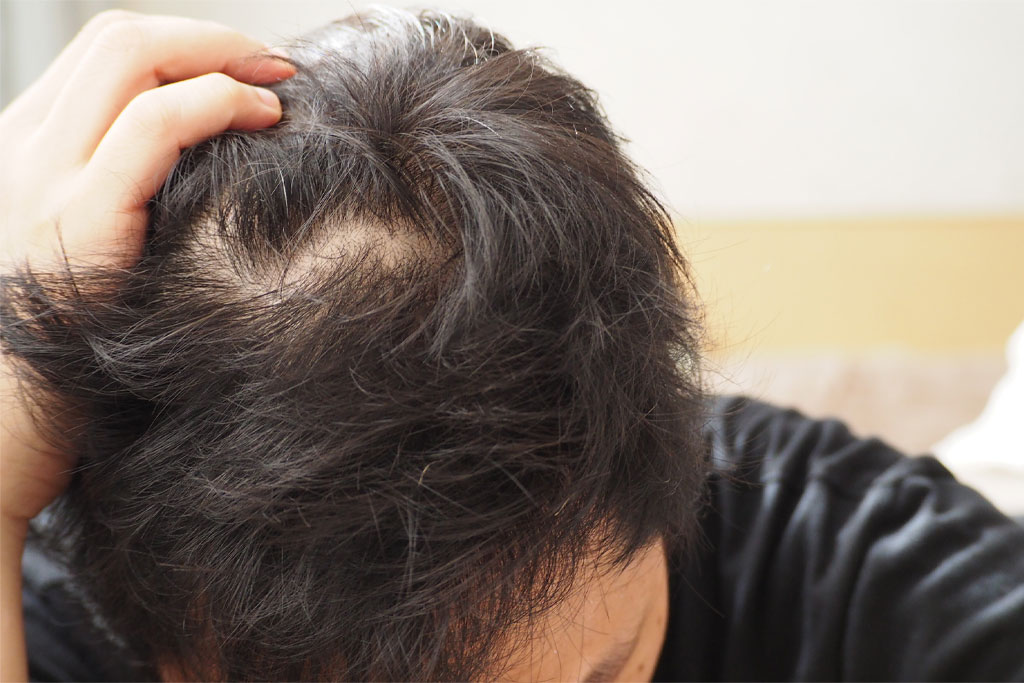
Hair loss is easy to notice. What is harder to see is what is happening underneath it.
When your hair starts looking thinner, the problem is not always that follicles are “gone.” In many cases, the scalp environment has changed. Blood flow may be weaker. Follicles may be undernourished. Growth signals may not be as strong as they once were. That is part of what makes regenerative treatments so effective.
Nanofat hair restoration is designed to work with your body instead of against it. At Rooted by Ridenour in St. Louis, MO, this treatment uses your own fat-derived regenerative cells and growth factors to support scalp health and help reactivate dormant follicles, all without hormones, artificial products or invasive surgery.
Why Hair Loss Deserves a Closer Look
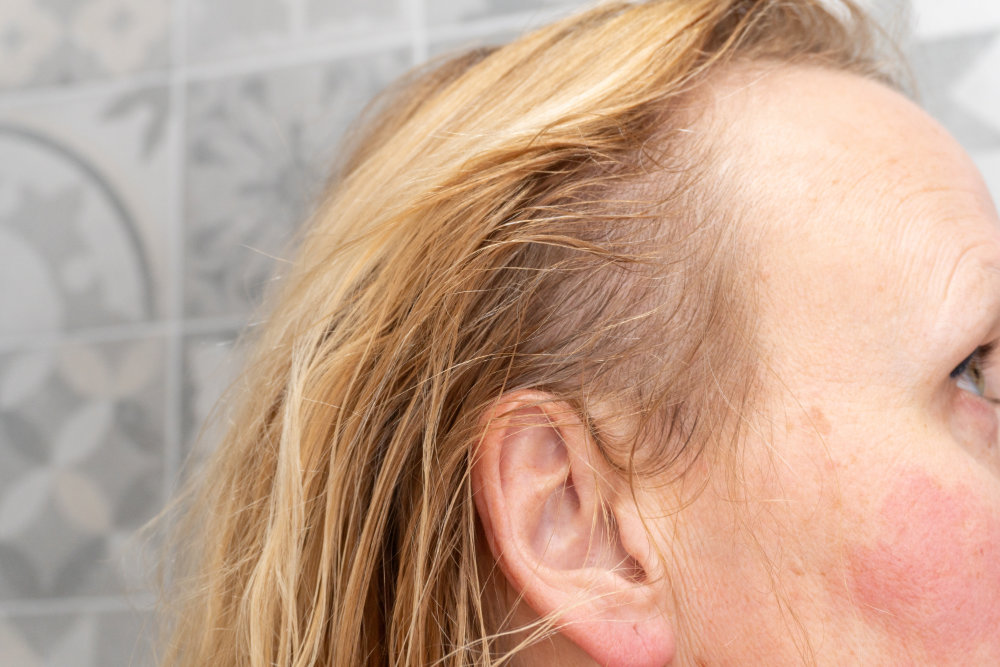
Not every hair you see in the shower means you are losing your hair. The American Academy of Dermatology says it is normal to shed about 50 to 100 hairs a day. When shedding increases, your part widens, or your hair density starts to drop over time, that points more toward true hair loss rather than routine turnover.
When you first notice this, that’s the time to act, as early treatment often gives you more options. And the earlier hair loss is addressed, the better the chance of restoring density and slowing future thinning.
Hair loss affects more than appearance. One review of the psychological effects of androgenetic alopecia found that 88% of participants said hair loss negatively affected daily life,
and 75% said it hurt self-esteem. Hair loss is common, personal and worth treating thoughtfully.
What Is Nanofat for Hair Growth?
Nanofat is processed fat taken from your own body, usually from an area such as the abdomen or thighs, then refined into a liquid form rich in adipose-derived regenerative cells and growth factors, also known as adipose-derived stem cells, or ADSCs. That liquid is then injected into targeted areas of the scalp to help nourish follicles and improve the local environment for hair growth.
Nanofat for hair restoration is not about moving hair follicles from one place to another, the way hair transplant surgery does. It is about giving struggling follicles better support with a more nutrient-rich, well-signaled environment in which to thrive. That distinction is one reason nanofat stands apart from traditional transplant surgery: the focus is on scalp biology, not follicle relocation.
How Nanofat Improves the Scalp Environment
Nanofat does not work through a single mechanism. It introduces a concentration of biologically active cells and signaling proteins into the scalp, each of which plays a role in restoring the conditions that hair growth depends on. Here is how those mechanisms break down.
Stimulating Blood Flow and Vascular Support
Healthy follicles need a consistent supply of oxygen and nutrients. One of the ways adipose-derived stem cells (ADSCs) support hair growth is by promoting angiogenesis (the formation of new blood vessels) through vascular endothelial growth factor (VEGF) secretion. Better vascular density in the scalp means follicles receive more of what they need to stay active and produce thicker, more robust strands.
A 2020 clinical trial published in Dermatologic Surgery found that intradermal administration of ADSCs significantly increased both hair density and the anagen (active growth) hair rate in patients with alopecia, with ultrasonographic imaging showing measurable increases in dermal thickness, which is a sign that the tissue environment itself had improved.
Reactivating the Hair Growth Cycle
Hair follicles move through growth phases: anagen (active), catagen (transitional) and telogen (resting). In hair loss, follicles spend more time in the resting phase and progressively less time in active growth. ADSCs secrete cytokines and signaling proteins that help push dormant follicles back into the anagen phase. This is not a temporary boost. The regenerative signals introduced through nanofat work at the cellular level to shift how follicles behave over time.
Counteracting DHT-Driven Follicle Damage
Androgenetic alopecia, the most common form of hair loss, is largely driven by dihydrotestosterone (DHT), which causes progressive shrinkage of the hair follicle over time. Research published in the International Journal of Molecular Sciences found that ADSC-derived exosomes carrying a specific microRNA actively counteracted DHT's inhibitory effects on dermal papilla cells, restoring hair bulb size and promoting healthy follicle growth. This means the regenerative components in adipose tissue can help interrupt the molecular process that shrinks follicles in the first place.
Reducing Scalp Inflammation
Chronic low-grade inflammation around hair follicles is a contributing factor in several types of hair loss, including androgenetic alopecia. ADSCs have well-documented anti-inflammatory properties, partly through cytokine modulation, the regulation of signaling proteins that influence immune activity in the tissue. By reducing that inflammatory burden, nanofat helps create a more hospitable scalp environment where follicles can function without the added stress of ongoing tissue irritation.
Delivering Regenerative Growth Signals
The nanofat secretome (the full range of proteins, peptides and extracellular vesicles released by ADSCs) includes growth factors such as hepatocyte growth factor (HGF), keratinocyte growth factor (KGF) and insulin-like growth factor (IGF). These factors support follicle cell proliferation, tissue repair and the overall regenerative capacity of the scalp. A randomized, double-blind trial published in Stem Cells Translational Medicine found that ADSC constituent extract produced a 28.1% increase in hair count compared to 7.1% in the control group after 16 weeks, alongside significant improvements in hair diameter.
What to Expect From Nanofat Treatment and Recovery
Nanofat hair restoration is designed to be effective and approachable, with a focus on comfort, minimal downtime, and gradual, natural-looking results. Here’s what you can expect at each stage of the process.
The Treatment Process
At Rooted by Ridenour, nanofat hair restoration begins with harvesting a small amount of fat from areas such as the abdomen or thighs. This fat is then processed into a refined, liquid form known as nanofat, which is rich in regenerative cells and growth factors.
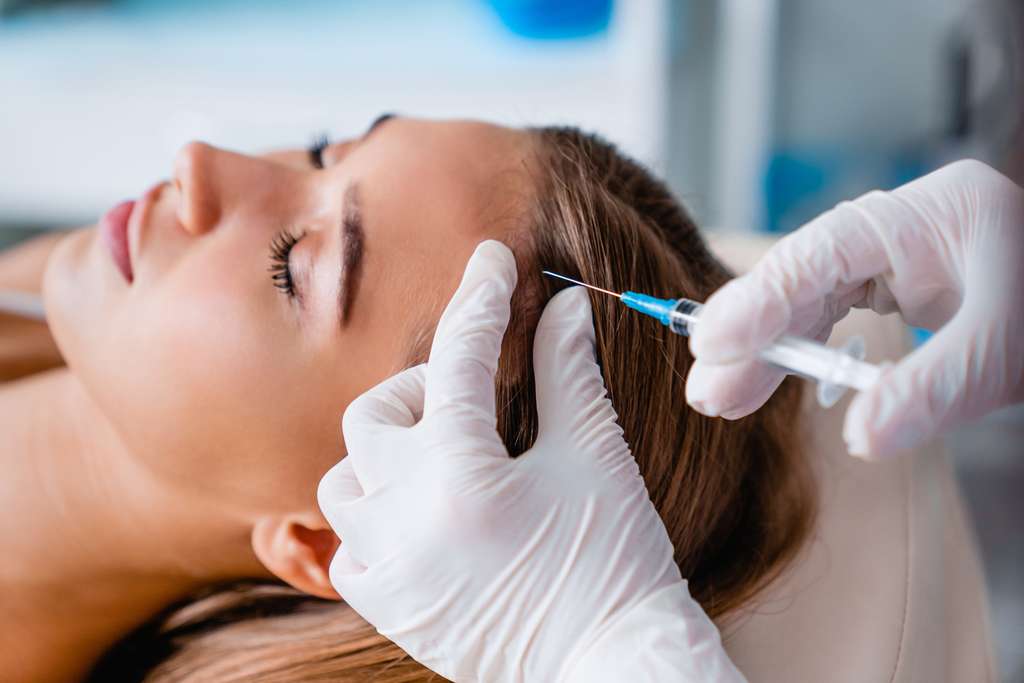
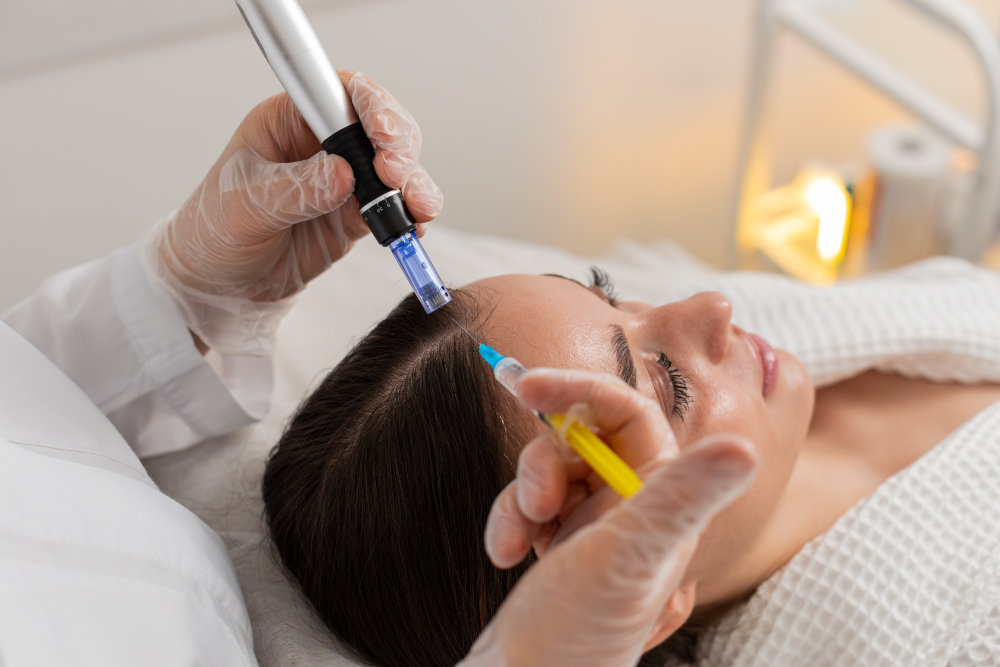
Once prepared, the nanofat is carefully injected into targeted areas of your scalp to support follicle function and encourage natural hair growth. The procedure is minimally invasive and typically performed using local anesthesia, with sedation options available for added comfort if needed.
Recovery and Downtime
You may experience mild swelling or redness in the donor and treatment areas, but these effects are temporary and resolve on their own. Most patients can return to normal activities shortly after nanofat hair restoration treatment, making this a convenient option for those with busy schedules.
When You’ll See Results
Hair restoration is a gradual process. In the weeks following treatment, many patients begin to notice reduced shedding. Visible improvements in hair growth often develop around three to four months, with continued thickening and increased density over time.
Full results from nanofat hair restoration typically appear between six and 12 months, depending on your individual response and overall treatment plan.
Restore Your Scalp Health and Support Natural Hair Growth
Healthy hair starts below the surface. That is what makes nanofat worth understanding. Instead of simply masking thinning, it aims to support the scalp environment that hair follicles rely on to grow. For the right patient, that can mean a more natural path toward thicker, healthier-looking hair.
At Rooted by Ridenour in St. Louis, MO, nanofat hair restoration fits into a broader, science-driven philosophy of care. Rather than defaulting to a single treatment, our approach begins with a thorough evaluation of your pattern of hair loss to determine what will support long-term improvement, which may include nanofat alone or in combination with other therapies.
If you want a hair restoration option grounded in your own biology, nanofat may be worth a closer look. Schedule a consultation with us today to find out whether nanofat hair restoration is right for you.
Further Reading




Contact us
