
The Complete Guide to Hair Loss in Women: Causes, Types, and Solutions

Roughly 40% of women notice visible hair thinning by age 50, but a lot of them are brushed off and told it’s just stress or an expected part of aging. Not enough effort is spent on understanding the causes of hair loss in women and helping them find solutions that can help.
At Rooted by Ridenour, Dr. Brock Ridenour is here to listen to his patients and find solutions based on actual data, starting with a detailed consultation and diagnosis. He is a board-certified facial plastic surgeon operating out of St. Louis, Missouri, who has a real passion for understanding and helping his female hair loss patients.
Why Hair Loss in Women Is Different From Hair Loss in Men
The Pattern Is Different
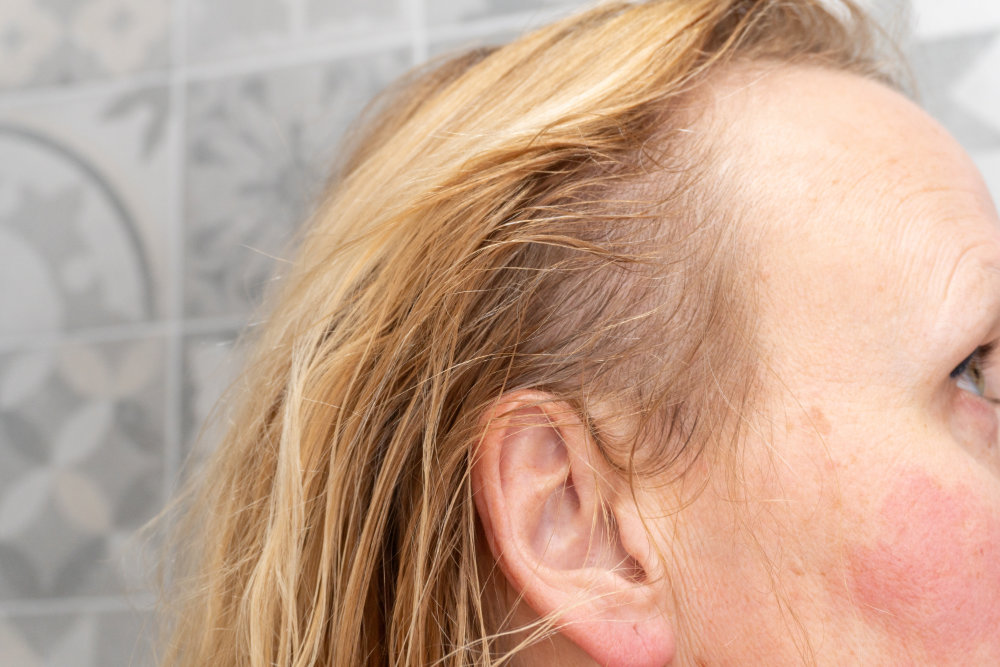
While every case is unique, men typically lose hair in a predictable pattern at the hairline and crown. Women are more prone to experiencing diffuse thinning across the top of the scalp with a hairline that stays intact. Often, the part widens, and the ponytail feels thinner.
The Causes Are Varied
Male pattern baldness accounts for more than 95% of all hair loss in men and is driven by genetics and DHT in these cases. Hair loss in women has a long list of potential contributors, including hormones, thyroid function, iron levels, stress levels, autoimmune conditions and even tight hairstyles.
The Emotional Weight Is Heavy and Invisible
Long, healthy hair is culturally tied to femininity and identity in ways that make loss especially distressing for women. Some patients may even delay seeking help because they feel alone in their struggle and don’t know what to expect from the process. However, it is important to remember that hair loss in women is quite common and there are many available treatments to help.
The Root Causes Behind Hair Loss in Women
Hormonal Shifts
Estrogen and progesterone decline during perimenopause and menopause, and this is one of the most frequent triggers of sudden shedding in women over 40. Postpartum hormonal swings produce a similar effect a few months after delivery, but this often reverses once hormones stabilize again. Sometimes, polycystic ovary syndrome (PCOS) is responsible, raising androgen levels and causing female pattern thinning at any age.
Thyroid Dysfunction
Both an underactive and an overactive thyroid can disrupt the hair growth cycle. This is often one of the first symptoms of thyroid dysfunction. A full thyroid panel can help determine if this is the cause of hair thinning.
Nutritional Deficiencies
Low ferritin, which is stored iron, is the most commonly missed cause of female hair loss. Many women have ferritin levels that fall within the standard lab reference range but well below the threshold needed for healthy hair growth. Inadequate zinc and vitamin D also have a documented role.
Chronic Stress
Significant physical or emotional stress can push large numbers of follicles into the resting phase at once. The shedding shows up two to four months later, which is why patients often don’t connect their hair loss to its trigger. If the stressor is removed, this type of hair loss is often temporary.
Scalp Health
Chronic inflammation and product buildup at the scalp level can suppress follicle function in women. Conditions like seborrheic dermatitis or undiagnosed scalp psoriasis make every other hair loss treatment less effective until the scalp itself is addressed.
Medications
Some blood pressure medications, antidepressants, hormonal contraceptives and chemotherapy agents are well-known contributors. Unexpected hair changes that begin within six months of starting a new prescription deserve a conversation with both the prescribing physician and a hair loss specialist.
Genetics
Female pattern hair loss has a hereditary component from both the maternal and paternal sides. Family history is a helpful diagnostic signal even when shedding looks diffuse rather than patterned, because women often inherit a slower progression than men.
The Most Common Types of Hair Loss in Women
- Female Pattern Hair Loss: Also called androgenetic alopecia, this is the most common form of long-term hair loss in women. It is hereditary and progresses slowly.
- Telogen Effluvium: This is sudden, diffuse shedding triggered by a stressor such as childbirth, major illness or starting a new medication. It usually appears two to four months after the trigger and often resolves once the cause is addressed.
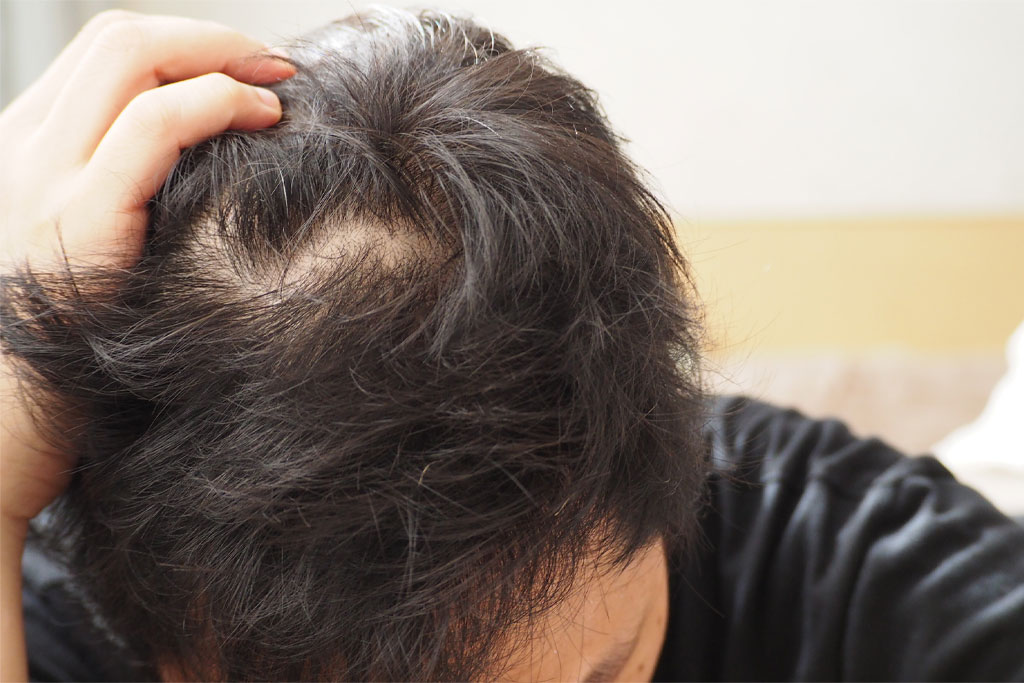
- Alopecia Areata: This is an autoimmune condition that causes round patches of hair to fall out, sometimes progressing to total scalp or body hair loss.
- Traction Alopecia: Hair loss that is caused by repeated tension from tight ponytails, braids or extensions is called traction alopecia. When caught early, it is reversible, but long-standing traction can permanently damage follicles.
- Scarring Alopecias: This is a group of conditions in which inflammation destroys the follicle and replaces it with scar tissue. These require prompt evaluation because lost follicles cannot be regrown.
Nonsurgical Hair Loss Treatments for Women
Medications
Minoxidil is the most commonly used medication for female pattern hair loss. Finasteride and dutasteride, which block the hormonal pathway driving genetic hair loss, are sometimes prescribed for women, though they are not used for women who are pregnant or may become pregnant.
Exosome Therapy
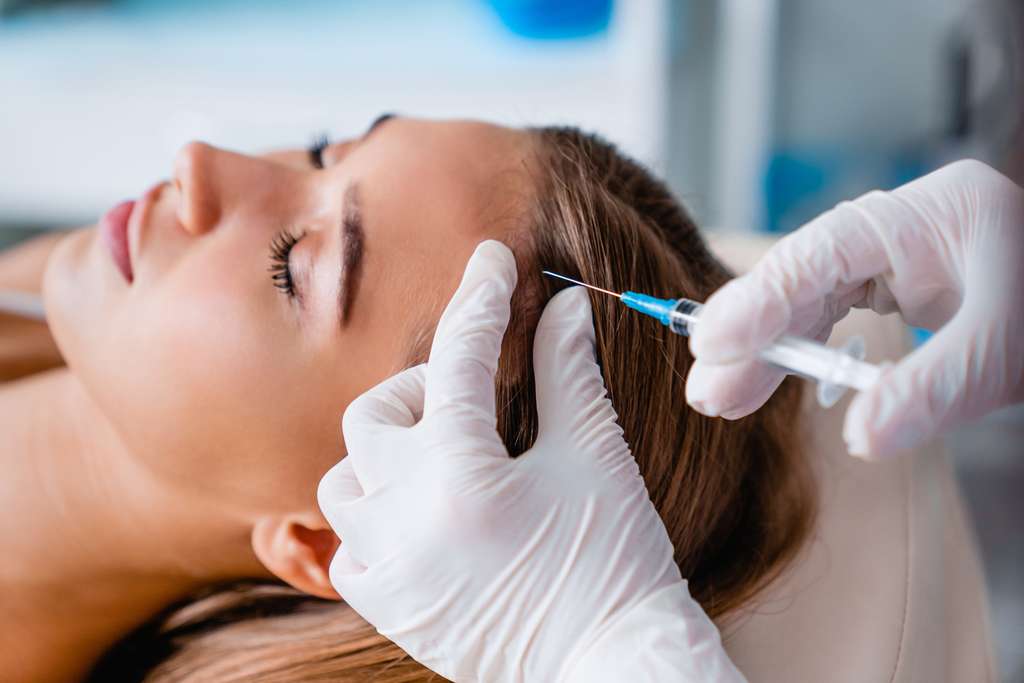
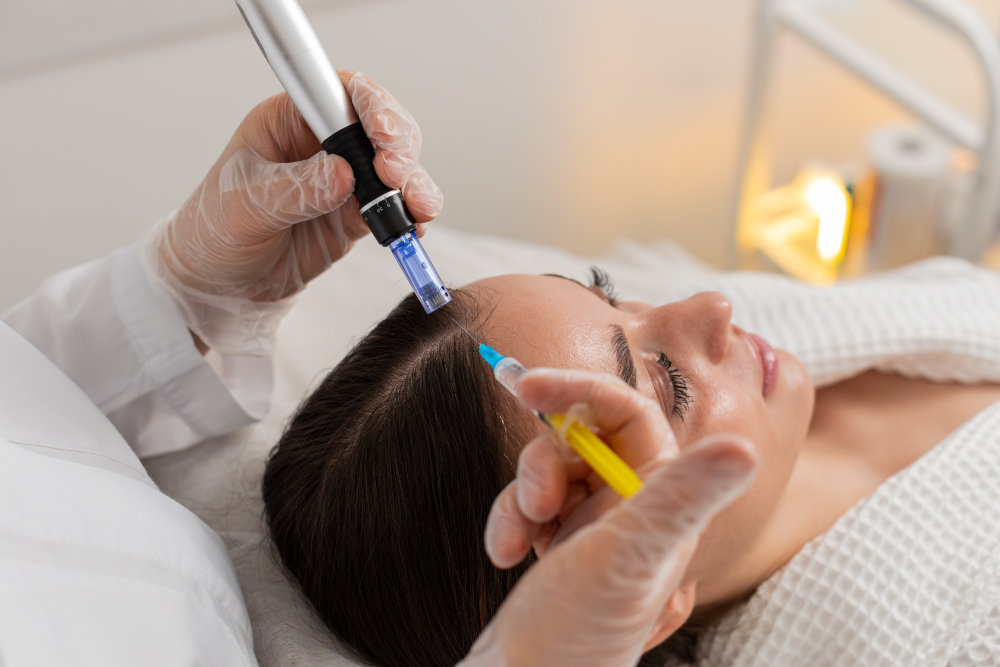
Exosomes are tiny particles released by cells that carry growth factors and signaling proteins. Applied topically after microneedling, they activate dormant follicles and shift them from the resting phase into the active growth phase. Exosomes are a promising option for non-scarring hair loss, with new hairs typically appearing two to three months after treatment.
Nanofat Hair Restoration
Also called stem cell hair therapy, nanofat hair restoration uses a small amount of a patient's own fat, harvested through liposuction and emulsified into liquid form. The liquid contains stem cells and growth factors that rejuvenate weakened follicles when injected into the scalp.
Scalp Conditioning and Keravive
A healthy scalp is essential for hair growth, and chronic inflammation can cause other treatments to be less effective. Hydrafacial® Keravive™ is a deep scalp treatment that cleanses, soothes and hydrates the scalp while delivering growth factor peptides to help fight back against scalp inflammation and irritation.
Hairline Lowering Surgery
For women with naturally high or receding hairlines, hairline-lowering surgery advances the hairline forward by removing a strip of non-hair-bearing forehead skin. It produces an immediate change and combines well with other treatments.
Hair Loss in Women Is Treatable, and Timing Matters
Early intervention produces better outcomes across nearly every form of female hair loss. Dr. Ridenour can diagnose your hair loss to get you quickly on the path to treatment. He has been in private practice since 2003 and has experience, and was the former director of the Division of Facial Plastic Surgery at Washington University, following fellowship training at the University of Washington.
To find out what is causing your hair loss and what can be done about it, schedule a consultation at Rooted by Ridenour in St. Louis at 314-350-7646.
Further Reading




Contact us
