
How Long Does It Take to See Results From Nanofat Hair Restoration?

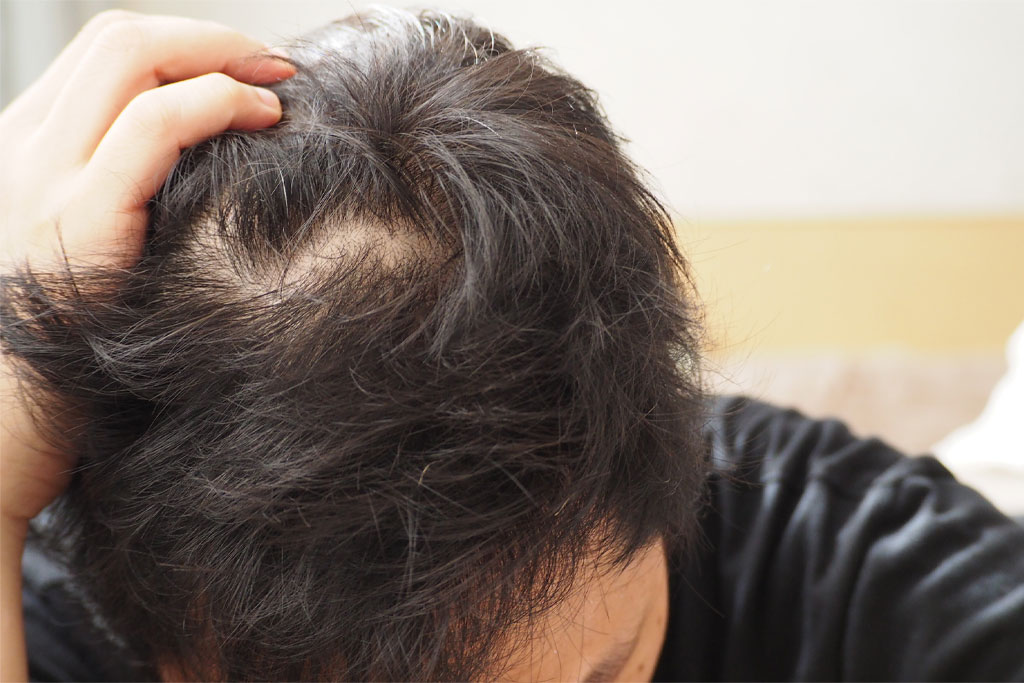
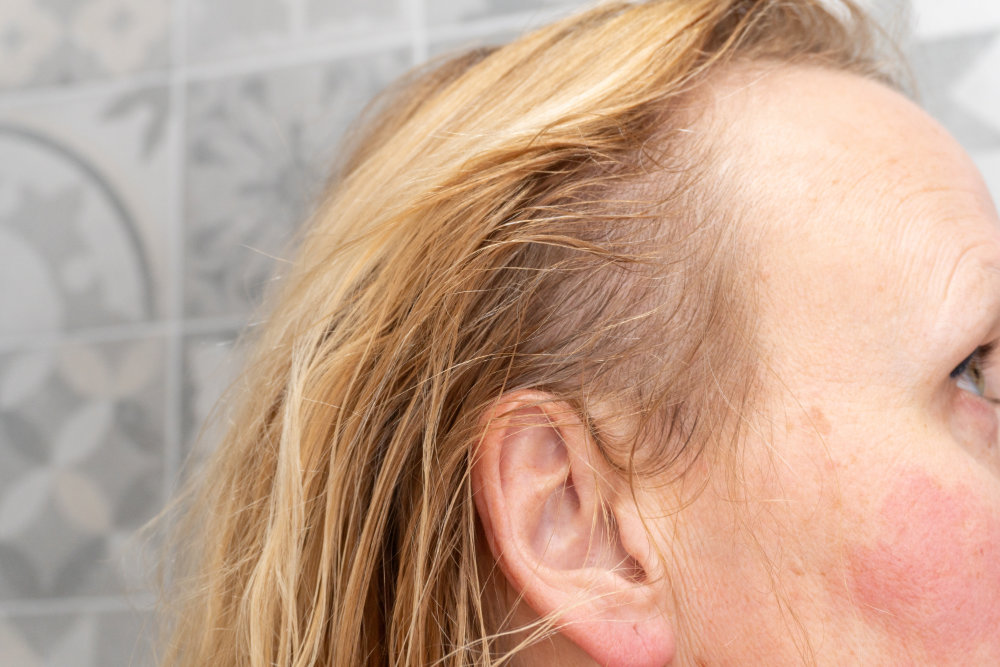
Hair thinning often happens gradually. One day, you notice more hair in the shower drain. A few months later, your ponytail feels thinner or your hairline looks slightly different in photos. When this happens, many people start researching hair restoration options.
Most treatments fall into one of two categories: medications or hair transplant procedures. But there is a newer regenerative option that works differently.
At Rooted by Ridenour in St. Louis, MO, nanofat hair restoration uses your body’s own regenerative cells to support healthier hair growth. Instead of moving hair follicles from one area of the scalp to another, the treatment focuses on improving the environment around existing follicles.
Because the process works with your body’s natural biology, results develop gradually. Understanding the hair restoration timeline can help you know what to expect and recognize the early signs of progress.
What Is Nanofat Hair Restoration?
Nanofat hair restoration is a minimally invasive hair loss treatment that uses your own fat tissue to support natural hair growth. Your fat tissue contains regenerative cells that may help support dormant hair follicles, improve circulation in the scalp, strengthen existing hair and enhance overall hair density and quality.
The procedure typically includes three key steps:
- Fat harvesting: A small amount of fat is gently collected from areas such as the abdomen or thighs.
- Processing the fat into nanofat: The harvested fat is purified and refined into a very fine, liquid-based product rich in adipose-derived stem cells and regenerative growth factors.
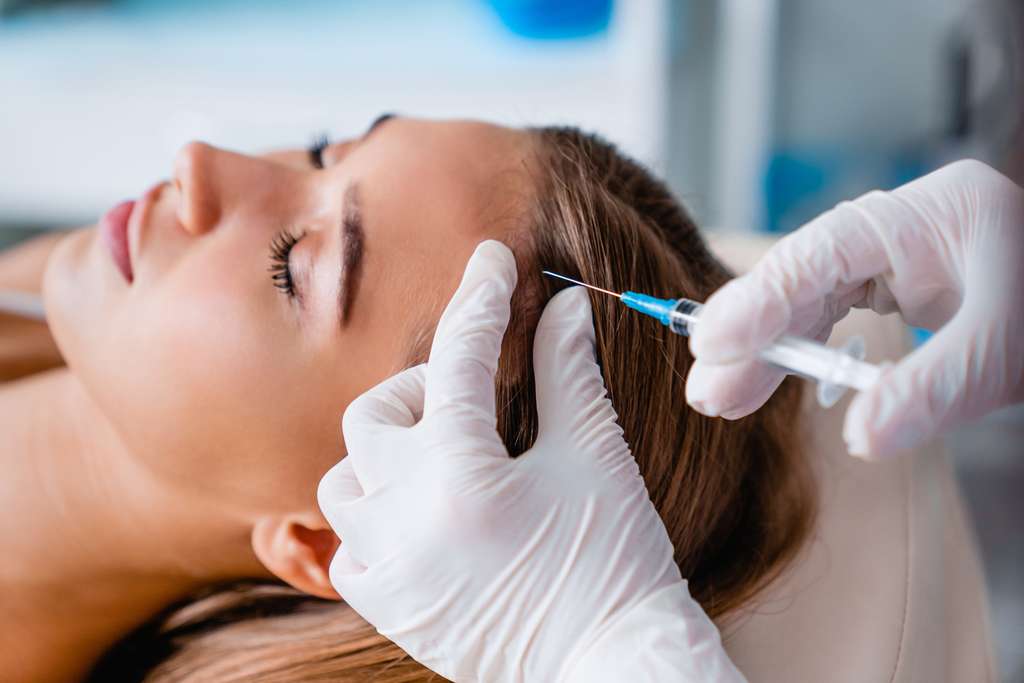
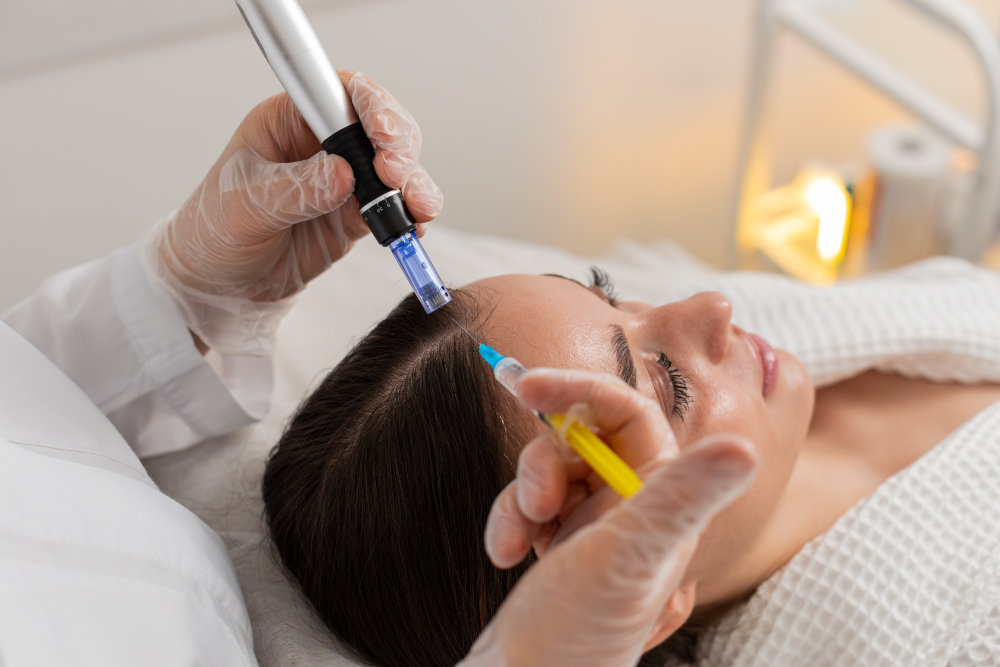
- Nanofat injections into the scalp: The solution is carefully injected into areas of thinning hair to nourish hair follicles and improve scalp health.
Because this treatment works by stimulating natural processes rather than replacing follicles, the timeline for results differs from that of many other hair restoration procedures.
Why Nanofat Hair Restoration Results Take Time
Hair grows in cycles rather than continuously. Each follicle moves through phases of growth, rest and shedding.
Scalp hair typically grows about half an inch per month. Because of that natural pace, visible changes in hair density take time to appear.
Nanofat injections work by improving follicle health first. Visible hair growth usually follows once the scalp environment becomes healthier. The treatment supports the conditions that allow hair to grow.
What to Expect After Nanofat Hair Restoration
Most patients begin noticing improvements from nanofat hair restoration within three to six months, with continued progress developing over the first year. Early healing occurs in the first few days, subtle follicle activity begins within the first several weeks, and visible improvements in hair thickness and density typically appear gradually as the hair growth cycle progresses.
The First Few Days
Immediately after treatment, the focus is on healing. You may notice mild swelling, redness or tenderness in both the donor area and your scalp.
Because nanofat hair restoration is minimally invasive, downtime is usually short. Many patients return to normal routines within a few days. At this stage, visible hair growth is not expected yet.
Weeks Two Through Six
During the first several weeks, regenerative activity begins beneath the scalp's surface. The stem cells and growth factors delivered via nanofat injections begin to support follicle health and improve the scalp environment.
Most patients do not see visible hair growth yet during this stage, but follicles may already be responding to treatment.
Months Two to Three
Around this time, some patients begin noticing early improvements such as reduced shedding, improved hair texture or subtle thickening in previously thinning areas. These changes may be modest at first as follicles transition into a new growth phase.
Months Three to Six
This is when many patients begin seeing more noticeable nanofat hair restoration results. Hair may appear thicker and healthier. Areas that previously looked sparse may start filling in gradually.
Because the treatment supports natural hair growth, improvements tend to look soft and natural rather than sudden or dramatic.
Six Months to One Year
Hair restoration results often continue developing throughout the first year. As follicles complete additional growth cycles, patients may notice improved density and overall hair quality.
How Long Do Nanofat Hair Restoration Results Last?
Nanofat hair restoration is designed to support healthier hair growth by improving the scalp environment and encouraging dormant follicles to become active again. Because the treatment uses regenerative cells from your own body, the benefits often extend beyond the initial healing period.
Many patients experience improvements in hair thickness, density and overall scalp health that can last a year or longer, particularly when the follicles respond well to treatment. Studies on adipose-derived stem cell therapies have shown measurable increases in hair count and hair diameter within several months of treatment, suggesting that regenerative approaches can meaningfully support hair growth.
However, it is important to remember that treatments like nanofat hair restoration do not stop the underlying causes of genetic hair loss. Hair thinning can still progress over time, which is why some patients benefit from periodic maintenance treatments to preserve their results. Dr. Ridenour can recommend a personalized plan based on your hair loss pattern, scalp health and long-term goals.
Who May Benefit Most From Nanofat Hair Restoration?
Nanofat hair restoration is often most effective for people in the earlier stages of hair thinning. Ideal candidates typically include individuals who:
- Have mild to moderate hair thinning
- Want a natural hair restoration option
- Are not ready for or interested in hair transplant surgery
- Have sufficient donor fat for the procedure
- Want to support existing follicles before hair loss progresses further
Because every patient’s hair loss pattern is different, the best way to determine candidacy is through a personalized consultation. At Rooted by Ridenour, treatment plans are tailored to each patient’s goals, scalp condition and stage of hair loss.
Take Control of Hair Thinning With Nanofat Hair Restoration
Nanofat hair restoration offers a regenerative approach to treating hair thinning. Because the treatment works with your body’s natural hair growth cycle, the results appear gradually and look natural.
If you are experiencing hair thinning and want to explore a minimally invasive solution, Rooted by Ridenour offers advanced nanofat hair restoration treatments in St. Louis, MO. Contact us today to learn whether this regenerative hair loss treatment may be right for you.
Further Reading




Contact us
