
PRP vs. Nanofat: Which Hair Restoration Treatment Is Right for You?
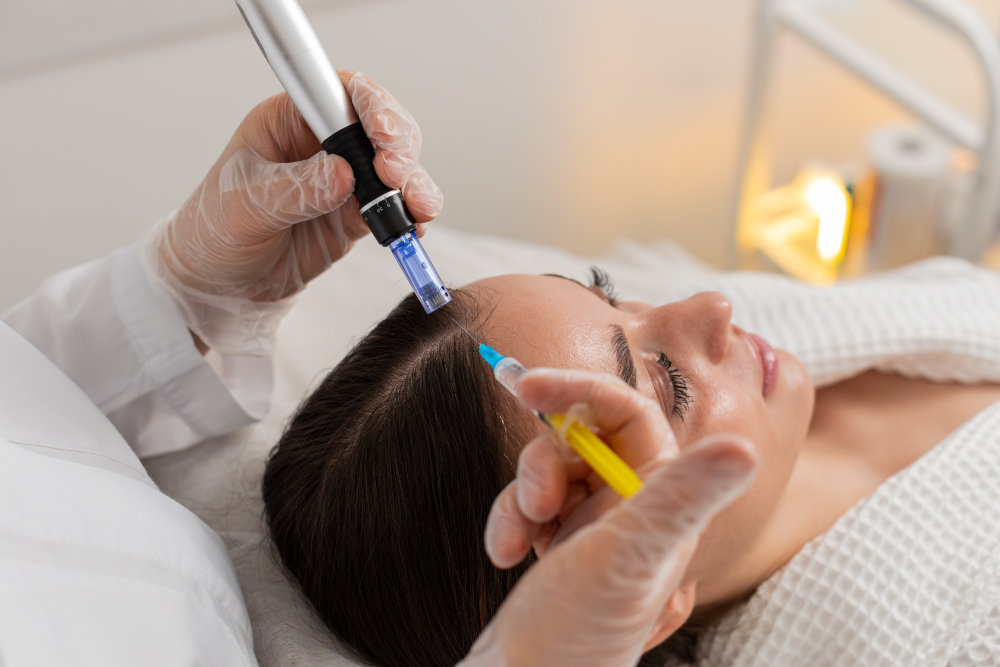
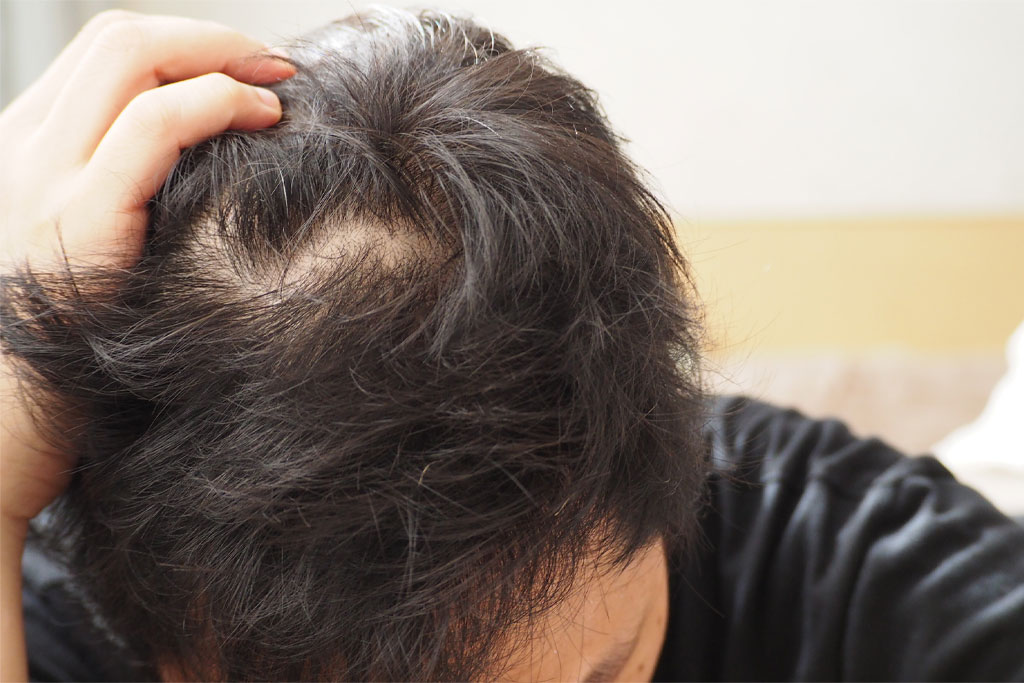
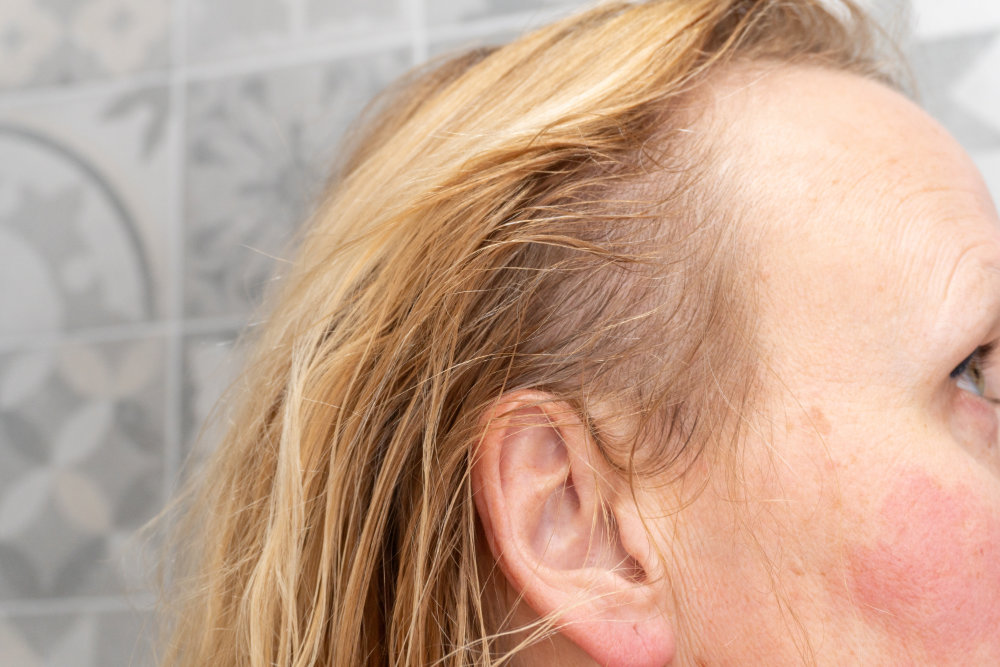
Hair loss can feel unpredictable. One day, your hair looks the same as it always has, and the next, you notice more scalp showing, a widening part or thinner density around your hairline. When that shift happens, most people start searching for solutions that work without surgery.
At Rooted by Ridenour, patients are often choosing between two of the most advanced nonsurgical options available today: PRP and nanofat hair restoration. While both treatments use your body’s natural biology to support hair growth, they work in different ways and are suited for different goals.
Understanding those differences is imperative to choosing the right approach for you.
Understanding the Goal: Supporting Hair, Not Replacing It
Before comparing treatments, it helps to understand what modern hair restoration is really trying to do. Unlike traditional hair transplants, which relocate follicles, both PRP and nanofat treatments focus on improving the environment around existing follicles. The goal is to strengthen what you still have, reactivate dormant follicles, and improve overall hair quality. This makes these treatments especially effective in early to moderate stages of hair thinning, when follicles are still present but struggling.
What Is PRP for Hair Restoration?
Platelet-rich plasma, or PRP, is one of the most widely used regenerative treatments in aesthetics and hair restoration.
The process is relatively simple:
- A small sample of your blood is drawn
- It is spun in a centrifuge to concentrate platelets
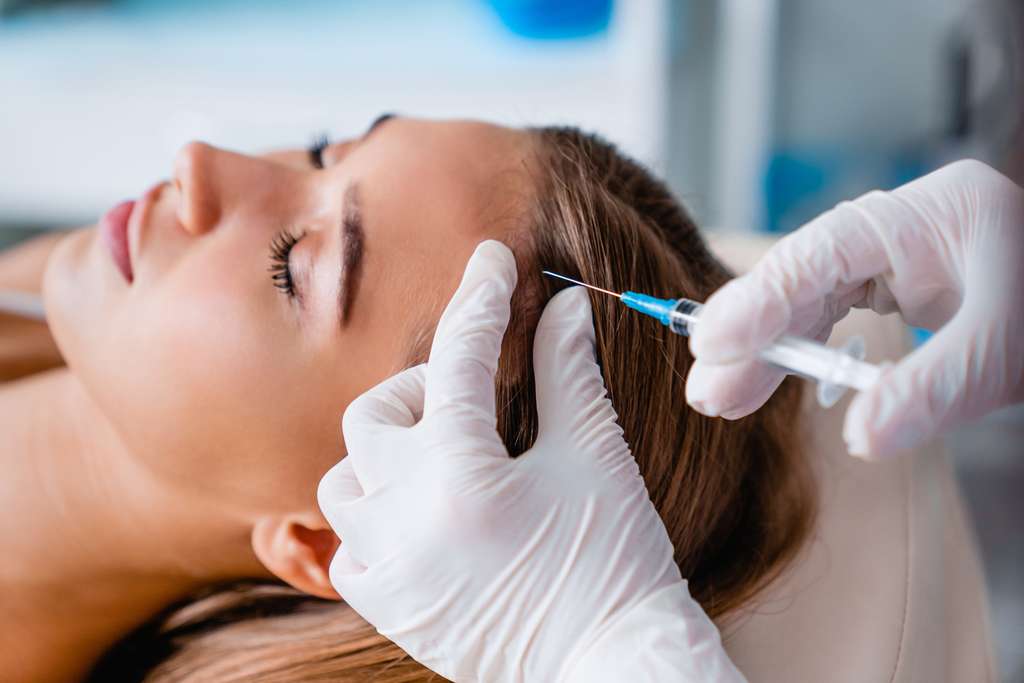
- The platelet-rich portion is injected into targeted areas of the scalp
Benefits of PRP Hair Restoration
Platelets contain growth factors that help stimulate cellular activity. When introduced into the scalp, these growth factors can:
- Improve blood supply to hair follicles
- Stimulate stem cell activity at multiple sites
- Reduce cell death (apoptosis)
- Extend the growth phase of the hair cycle
- Thicken existing strands
PRP is often recommended for younger patients with healthy platelets who are just starting to notice thinning or shedding. It is a straightforward treatment with minimal downtime and can be repeated regularly as part of a maintenance plan.
What Is Nanofat Hair Restoration?
Nanofat takes regenerative therapy a step further. Nanofat is a combination of stem cells and extracellular matrix (seeds + scaffold) and is derived from your own fat tissue.
The process is as follows:
- A small amount of fat is gently harvested, usually from the abdomen or thighs
- The fat is processed into a liquid rich in adipose-derived regenerative cells, growth factors and tissue matrix.
- The refined solution is then injected into the scalp
Benefits of Nanofat Hair Restoration
Nanofat is not about adding volume or relocating hair. It is about improving the scalp environment in a more lasting fashion by applying regenerative stem cells in a supportive tissue environment. The regenerative cells and signaling factors within nanofat help:
- Promote follicle stem cell repair and regeneration
- Improve scalp quality and circulation
- Deliver long-lasting biological signals for growth
Because of its composition, nanofat is a cell-driven form of regeneration
Before and After Hair Restoration: What Patients Can Expect
Both treatments focus on gradual improvement rather than instant transformation.
With PRP, patients typically notice reduced hair loss and subtle new hair growth in a few months. With nanofat, results may develop more gradually but with the potential for long-term follicle stimulation. Results often improve for up to 12 months.
View our before-and-after hair restoration photos.
Neither treatment creates overnight results. Hair growth follows a cycle, and visible changes usually appear over several months. Consistency and proper treatment planning play a major role in outcomes.
Key Differences Between Nanofat and PRP
While both treatments are rooted in regenerative medicine, their differences can help determine the right option for you.
PRP
Source Material - Patient’s blood-derived platelets
Regenerative Composition - Primarily delivers growth and cellular renewal factors
Intensity of Treatment - Easy and reliable, often used as a first-line treatment
Downtime - Virtually no downtime
Best For - Treatment of early thinning in younger patients (under 40)
Nanofat
Source Material - Processed fat rich in regenerative cells, growth factors and a supportive cell matrix
Regenerative Composition - Delivers stem cells, growth factors and a supporting extracellular matrix
Intensity of Treatment - Slightly more complex with the potential for a more sustained biological response
Downtime - Involves a minor fat harvesting step under local anesthesia
Best For - Patients with thinning hair and scalp seeking a more comprehensive regenerative approach
In many cases, these treatments are not mutually exclusive, and they can be part of a broader, customized hair restoration plan. Studies evaluating hybrid treatments — such as combining nanofat with platelet-rich plasma (PRP) — show enhanced patient outcomes and prolonged maintenance of hair thickness over six to 12 months.
A Personalized Approach to Hair Restoration
Hair loss can stem from multiple causes, including genetic predisposition, hormonal imbalance, severe stress, reduced blood flow, nutritional deficiency and underlying health factors. That is why the best treatment is never a single modality or medicine and never based on trends.
At Rooted by Ridenour, every patient begins with a comprehensive evaluation. This includes assessing your hair-loss pattern, scalp health and a quantitative measurement of hair loss by trichoscopy. From there, a personalized plan is created. This may include genetic testing, topical and oral medications, lifestyle changes, nutritional supplements and regenerative therapies such as PRP, Peptides, Exosomes, and Nanofat. Most often, a combination of treatments is designed to support immediate improvement and long-term hair health.
Why Expertise Matters in Hair Restoration
The success of any hair restoration treatment depends on more than the technology itself. It depends on proper diagnosis, technique and treatment planning.
That is where the expertise of Brock D. Ridenour, MD, becomes essential. Dr. Ridenour is a board-certified facial plastic surgeon with extensive experience in facial aesthetics and regenerative treatments. He previously served as the director of the Division of Facial Plastic Surgery at Washington University in St. Louis for over a decade. Since entering private practice in 2003, he has built a reputation for combining scientific precision with natural-looking results.
His combined expertise in aesthetics and molecular biology allows him to evaluate hair loss in the context of new scientific breakthroughs in regenerative medicine, which is critical to achieving the best possible result.
Take the Next Step Toward Fuller Hair
If you are noticing thinning hair, the most important thing you can do is act early. Hair follicles respond best to treatment before loss becomes advanced.
Hair loss is rarely caused by a single factor. Treatment requires a complete understanding of the factors impacting hair loss to determine the best medical treatment. Effective treatments include topical and oral medications, nutritional supplements, lifestyle modifications, peptides and regenerative therapies. PRP and Nanofat injections are both effective, nonsurgical ways to support regrowth. The right choice depends on your current stage of hair loss, your goals and your preference for treatment intensity.
A professional evaluation at Rooted by Ridenour can help you understand your options clearly and move forward with confidence. Dr. Ridenour takes a personalized, science-based approach to hair restoration, ensuring your treatment plan is tailored to your needs and long-term goals.
A professional evaluation can help you understand your options clearly and move forward with confidence. To learn more or schedule a consultation, contact us today.
Further Reading




Contact us
